Table of contents
What happens after the sirens, the seizure, the stray call in the rain? Across the UK, rescue groups are facing a sharper, more complex emergency as rising living costs, housing insecurity and stretched public services push more animals into crisis, and as the dogs, cats and small pets arriving at shelters increasingly carry the marks of neglect, trauma or simple bad luck. Behind the scenes, a quieter story unfolds: the long, data-driven work of turning a frightened, unhealthy animal into a stable companion, and of matching them with a home that will not fail them twice.
When abandonment rises, rescues feel it first
Pressure is no longer a seasonal spike, it is a sustained curve. UK-wide, the leading welfare charities have documented a clear shift since the pandemic: more people are trying to give up animals, and fewer households feel able to take one on. In 2023, the RSPCA reported 21,213 animals abandoned, a 10% increase on 2022, and the charity’s frontline teams have repeatedly warned that cost-of-living pressures are showing up as reduced spending on veterinary care, delayed treatment and tougher decisions at the point of crisis.
Those numbers only capture the visible edge of the problem, because “abandonment” is a narrow category, and a large share of cases arrive by other routes: informal relinquishment, family breakdown, eviction, owners falling ill, or pets simply being passed along until a rescue is the only remaining safety net. On top of that, the animal rescue ecosystem has been juggling its own constraints, from staffing and volunteer capacity to the rising price of food and energy. The PDSA’s 2024 Animal Wellbeing (PAW) Report adds a second, sobering lens: millions of pet owners say they are worried about affording essential care, and the charity’s long-running polling has consistently shown that financial strain correlates with skipped vet visits, reduced preventive treatment and behavioural problems that go unmanaged until they become unlivable.
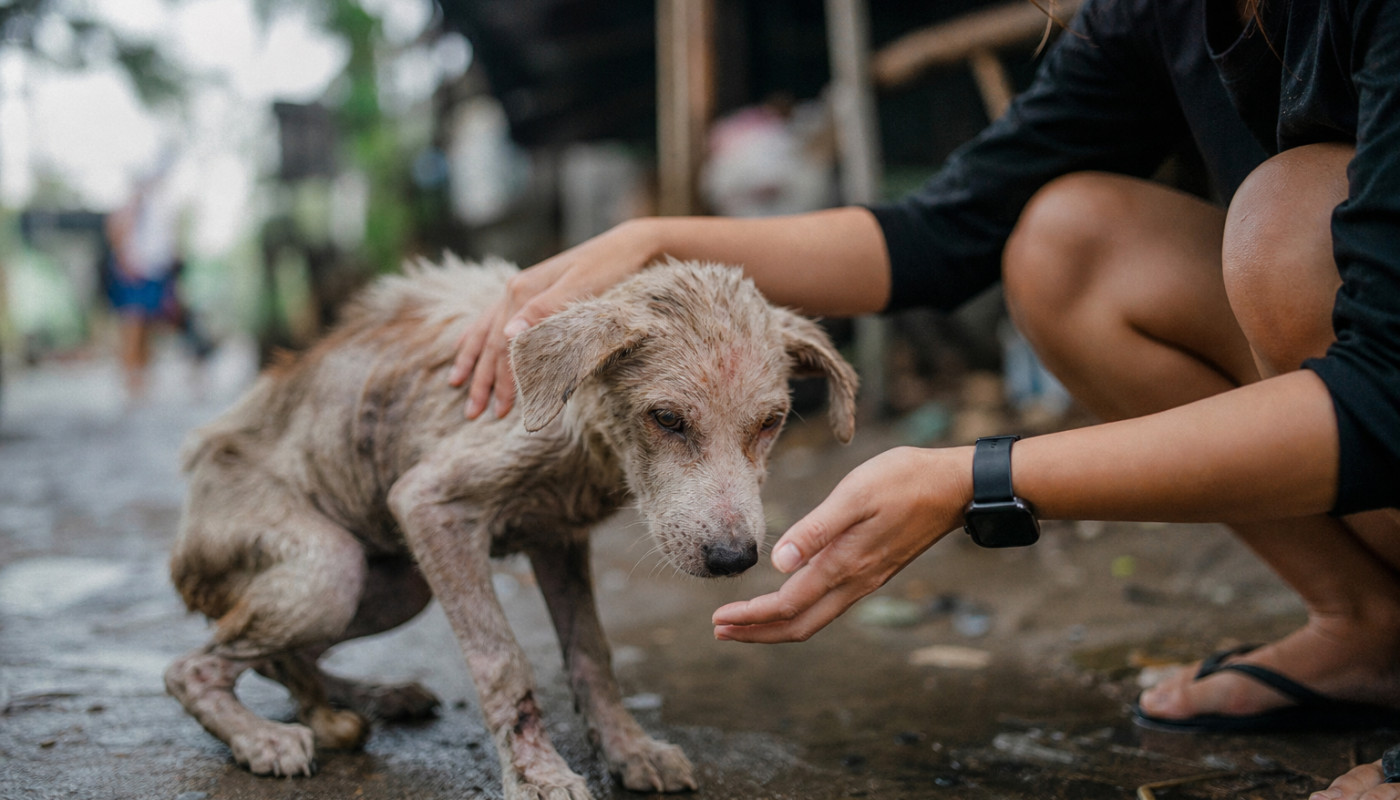
In practical terms, this is how the “street to sanctuary” journey often begins: an animal arrives not just underweight or untreated, but stressed, reactive or shut down, and that changes everything about what a rescue must do next. Intake is no longer a simple handover, it is triage, and it is expensive. Basic diagnostics, parasite treatment, vaccination, neutering, microchipping, dental work and recovery space add up quickly, and when a case involves injury or chronic disease the bill can climb in days. For the organisations taking these animals in, the moral imperative is constant, but resources are finite, and every place taken by a high-need animal is a place that cannot be offered to another.
That is why many rescues have shifted toward stricter intake protocols and more deliberate rehoming pathways, not out of bureaucracy but out of hard-earned experience, because the real tragedy is not the first abandonment, it is the second. A sustainable rescue model now means building capacity for behavioural assessment, foster networks and post-adoption support, and it means telling the public a truth that is uncomfortable but necessary: rescuing an animal is the beginning of a process, not the end of a story.
Inside the sanctuary, rehab is measured
Romantic narratives skip the middle. The reality is that rehabilitation is structured, iterative and tracked, because trauma and neglect rarely resolve on goodwill alone. A modern rescue pathway typically starts with quarantine and a veterinary baseline, including tests where appropriate, and moves quickly into routine, because routine is often the first “medicine” for an anxious animal. Regular feeding, predictable handling and a calm environment reduce stress hormones, and lower stress can improve digestion, immune response and learning, which then makes medical treatment and behaviour work more effective.
Behavioural rehabilitation, in particular, has become a defining frontier. Dogs arriving from unstable environments may display guarding, separation distress or fear aggression, and cats may present as withdrawn, defensive or chronically anxious, especially after repeated moves. The goal is not to force instant sociability, it is to build coping skills and confidence. That can mean desensitisation to everyday sounds, reward-based training around handling, and careful introductions to people, other animals and new spaces. Increasingly, rescues rely on evidence-based approaches that align with guidance promoted by veterinary behaviour specialists: minimising punishment-based methods, reading body language accurately and preventing rehearsals of unwanted behaviours, because every repeated lunge, bite or panic episode can entrench the pattern.
These programmes are not guesswork. Many rescue teams use written assessments and scoring tools, daily logs and staged goals, and the data matters, because adopters need transparency and animals need the right placement. A dog that can thrive with an experienced handler in a quiet, adult-only home should not be presented as a “family pet” ready for a busy household, and a cat who is coping in a foster home may unravel in a loud multi-pet environment. The best rescues treat that matching process as a safeguarding measure, and they are willing to say no, even when the demand for rehoming is intense.
Medical rehabilitation is equally granular. Dental disease, for example, is common among neglected animals and can drive chronic pain and irritability; untreated skin conditions can cause incessant scratching and secondary infection; gastrointestinal issues can stem from parasites, poor diet or anxiety. Each improvement is a step toward adoptability, but also toward welfare in the simplest sense: an animal that can eat comfortably, sleep safely and be handled without fear has regained something fundamental. For readers considering adoption, the implication is clear and often surprising: the sanctuary phase is not passive waiting, it is active work, funded by donations, adoption fees and the quiet labour of volunteers and foster carers.
Matching homes is where rescues win
Is love enough? Rescues increasingly answer with a careful no, because affection without stability can set an animal back, and because the stakes of a failed adoption are higher than many people realise. Data from major welfare organisations show that relinquishment and returns are often linked to predictable stress points: housing changes, financial strain, behavioural challenges and mismatched expectations. A rescue that screens adopters is not “making it hard”, it is trying to prevent a repeat crisis.
The matching process typically combines objective checks and human judgement. Home assessments, vet references where relevant, landlord permissions and discussions about daily schedules all form part of a risk assessment, and it is worth remembering that the animal’s needs can be highly specific. Some dogs cannot be left alone for long stretches at first, and some cats will not cope in a home with other animals. Energy levels matter, too, because an adolescent lurcher has different exercise demands than a senior terrier, and many behavioural issues that prompt surrender, from destructive chewing to incessant barking, are rooted in unmet needs rather than “bad temperament”.
Fostering has therefore become a key instrument, not just a stopgap. A foster home can reveal how an animal behaves in a domestic routine, whether they are house-trained, how they handle visitors and traffic noise, and how they recover after being left alone briefly. It can also uncover hidden medical needs, because subtle symptoms often become visible only in a calmer environment. When rescues have strong foster networks, the quality of matches improves, and the likelihood of long-term success rises. For adopters, fostering can also be a route into ownership, letting a household test the reality of care, cost and time before committing permanently.
For anyone starting to explore adoption or support options, organisations such as Star Rescue CLG illustrate how much infrastructure sits behind a single rehoming. A credible rescue does not simply move animals from kennels to new addresses; it builds pathways, keeps records, communicates honestly about behaviour and health, and stays involved when the first weeks at home expose challenges. That aftercare may include training advice, gradual transition plans, and, in some cases, help with sourcing low-cost veterinary services. The effect is measurable: fewer failed adoptions, less churn in the system, and better welfare outcomes for animals who have already experienced instability.
Critically, this approach also protects adopters. Taking on a rescued animal can be profoundly rewarding, but it can also be emotionally demanding, especially when progress is slow or setbacks appear. A rescue that prepares adopters with realistic timelines and practical guidance reduces the risk of burnout, and it helps households interpret behaviour correctly. A dog that freezes on walks may not be “stubborn”; a cat that hides for days may not be “unfriendly”. With support, those early weeks can become a bridge rather than a breaking point.
What you can do, before and after adoption
Adoption begins before the application form. Prospective owners who succeed tend to treat the decision like a household project: they price it, plan it and stress-test it. In the UK, costs can vary widely, but recurring expenses typically include food, routine veterinary care, vaccinations, parasite prevention, insurance and contingency funds for emergencies, and the cost-of-living squeeze has made that budgeting step more important than ever. Insurance can help, but policies differ sharply; exclusions for pre-existing conditions and limits on chronic care can turn a “covered” pet into a major expense, so reading terms closely is part of responsible preparation.
Housing is the other make-or-break factor. Renters should secure written permission, check for breed or size restrictions, and plan for the possibility of moving, because an animal who has already lost a home should not be placed into a situation where the next lease negotiation becomes an existential threat. Time matters, too: even a relatively settled adult dog may need a decompression period, and many rescues advise a gradual approach to visitors, busy public spaces and introductions to other animals. Training, done kindly and consistently, is an investment in welfare, but it is also a practical tool for keeping a pet in the home.
Support does not have to mean adopting immediately. Fostering, volunteering, donating supplies, funding veterinary care and sharing verified rehoming appeals are all concrete ways to increase capacity. For those facing hardship, it is also worth looking for local help early rather than waiting for crisis. Some charities and local networks provide food banks for pet owners, low-cost clinics or subsidised neutering, and early intervention can prevent the slide into surrender. The most effective rescues are not only places of last resort, they are nodes in a broader web of prevention, and when that web holds, fewer animals reach the street in the first place.
Planning your next step, realistically
If you want to adopt, start by mapping your monthly budget, your housing constraints and your daily routine, then speak to a rescue about animals whose needs match that reality, because the right fit protects both you and the animal. If money is tight, ask about support schemes early, and if you cannot adopt, consider fostering or targeted donations, especially for veterinary bills, which often decide how many animals can be saved.
Similar articles

